The Records From This Project Are for the Council in 2041
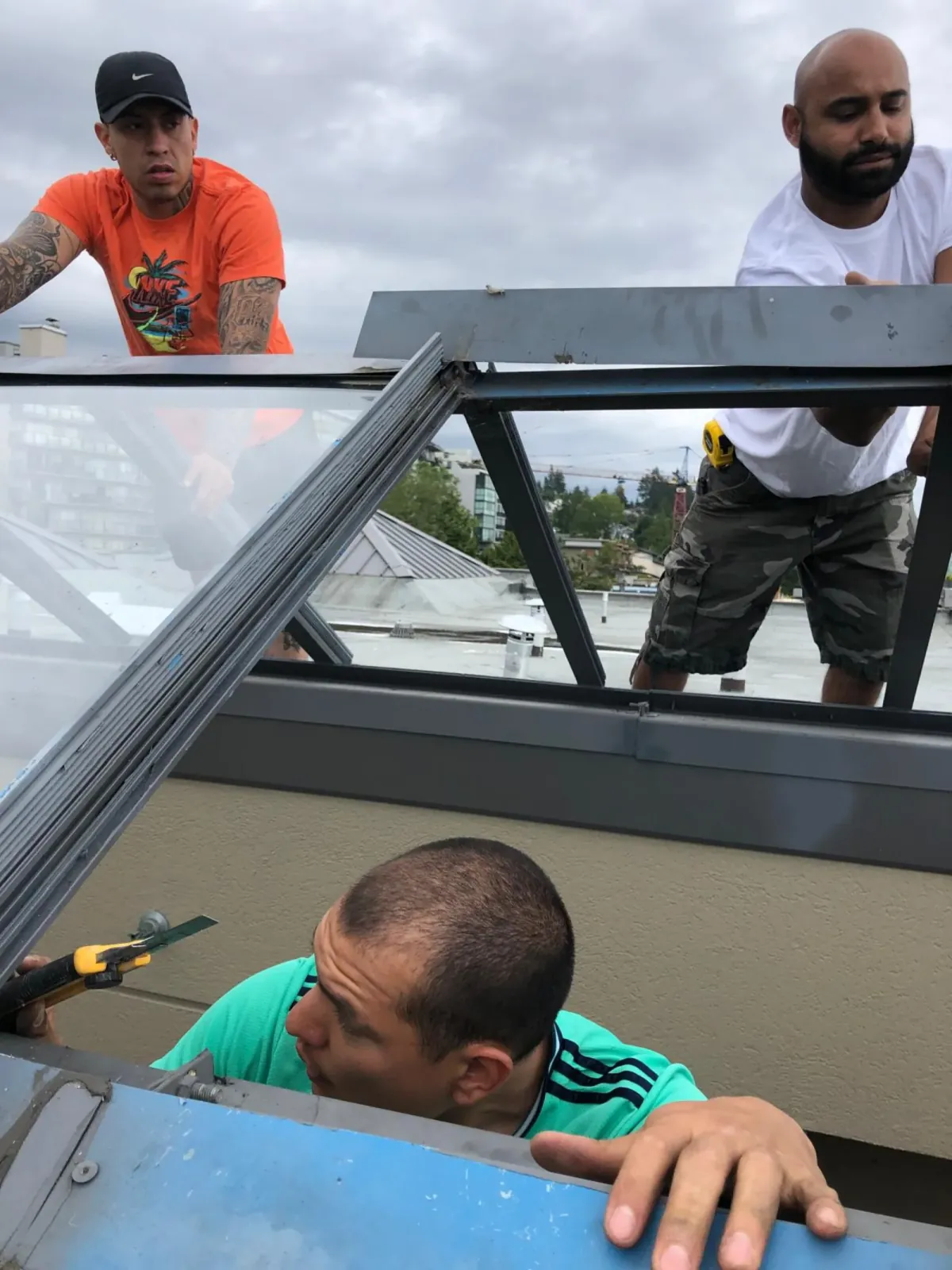
At the end of a restoration project, a great deal is known about the building that was not known at the start.
Somebody has seen what was behind the cladding on every elevation. Somebody knows which sections were worse than expected, where the repairs went, what products were used, and what the framing looked like when it was open.
Almost all of that leaves the site with the crew, and in fifteen years a council that has not met any of the current members pays to find it out again.
The photographs are the most valuable item
Everything else in a closeout package is a document that could in principle be reconstructed. Photographs of concealed conditions cannot.
Once cladding is reinstalled or a membrane is covered, what is behind it is unknowable without opening it again. A photograph taken in the ten minutes before it was covered answers questions permanently, and those questions arrive during the next project, when the answer is worth far more than the effort of taking the picture was.
Useful photographs are located and labelled. An image of some framing is nearly worthless; an image tagged with the elevation, the floor, and the grid reference is evidence. Requiring a documented photographic record with locations, rather than “photographs”, is what produces something usable.
The conditions worth photographing are the ones that will matter later: framing and sheathing condition before it is covered, the details as built at junctions and terminations, the extent of concrete repair before patching, the substrate before a membrane goes on, and anything unexpected.
What else belongs in the package
Products used, with manufacturer data sheets. The next consultant needs to know what is on the building before specifying anything that goes over it, for the compatibility reasons set out in the post on concrete sealers versus coatings.
Warranty documents, and critically the maintenance conditions attached to them. A warranty with unknown conditions is a warranty that gets voided by omission, which is the failure described in the post on building envelope warranty claims.
Details as actually built. Not the tender drawings, which show what was intended. Where a detail was modified on site to suit a condition, that modification is what exists and it is what the next person needs.
Locations and extent of repairs. Which areas of concrete were repaired, which sealant joints were replaced, which sections of sheathing came out. On a phased project this is the only record of what has been done and what has not.
Test results. Adhesion tests, water tests, chloride testing, moisture readings. These establish the condition at a point in time and give the next assessment a baseline to compare against.
Contact details of the contractor, the consultant, the subtrades, and the manufacturers’ representatives. In five years, when a question arises, the difference between a phone call and an investigation is having a name.
Tie it to money
This is the mechanism that works, and everything else is a hope.
Documentation requested at the end of a project, with no contractual requirement and no payment attached, arrives incomplete or not at all. That is not bad faith. The crew has moved to the next building, the site person who knew the details is elsewhere, and compiling a package is unpaid work competing against paid work.
Holding a defined portion of the final payment until the closeout package is delivered and accepted converts documentation into a deliverable with the same status as the physical work. It should be written into the contract at the outset, with the contents of the package specified so that “delivered and accepted” is a checkable condition rather than an opinion.
The consultant’s contract needs the corresponding obligation to compile and review it, because a pile of files from a contractor is not a closeout package until somebody has confirmed it is complete.
Storing it where it survives
Strata records outlive councils, property managers, and management companies, and documentation that exists only on one departed manager’s hard drive has been lost even though nobody has noticed yet.
The practical answer is the strata’s permanent records plus a digital copy held in more than one place, with the file naming and structure legible to somebody who was not there. A folder of two thousand images named by camera default is technically a record and practically is not.
Three things should be findable in under a minute by whoever is in the property manager’s chair: the current roof anchor certification described in the post on anchor load testing, the warranty documents with their maintenance conditions, and the closeout package from the most recent major project.
Update the depreciation report
A restoration changes the age and condition of building components, and the reserve fund planning depends on those figures.
A project that is not reflected in the depreciation report leaves the fund planning against assumptions that are no longer true, usually in the direction of expecting expenditure that has already happened. That distorts the levy and contribution planning for years.
Updating the report after major work is a small exercise and it closes the loop between the money spent and the plan that justified spending it, which is the relationship set out in the guide on depreciation reports and the building envelope.
What good looks like in practice
A closeout package that works is organised by the questions it will be asked, not by who produced each document.
Someone opening it in ten years wants to know four things: what is on the building, where the repairs are, what was found behind the cladding, and what warranties apply. A folder structure that answers those directly beats one organised by contractor and subtrade.
Photographs need a naming convention that encodes location. Elevation, floor, and a grid or unit reference in the filename means an image is findable without opening two thousand others. A simple index spreadsheet listing each photograph with its location and subject does the same job and takes an afternoon.
Drawings marked up with the actual repair locations are worth more than a written description of them. A single elevation drawing with the concrete repair areas hatched tells the next consultant in one glance what a written schedule takes an hour to convey.
The handover conversation
There is knowledge that never reaches a document, and a scheduled handover meeting captures some of it.
The site superintendent and the consultant know things that did not rise to the level of a written record: which elevation was worse than expected, where the detailing was awkward, what they would look at first if they came back, and what they were mildly concerned about but could not justify raising.
An hour with the property manager and a council member at the end of the project, with someone taking notes, converts a portion of that into a record. It costs almost nothing and it is the only opportunity, because within a month the people involved are working on something else and the detail fades.
The notes belong in the closeout package alongside the formal documents, clearly labelled as observations rather than certified findings.
Who this is actually for
Nobody on the current council will benefit much from this documentation. It is being produced for people who have not bought into the building yet, to be used by a consultant who has not been engaged, on a project that has not been contemplated.
That is exactly why it gets skipped, and exactly why the strata corporation, which persists when the individuals do not, should require it.
The buildings in Metro Vancouver that manage their envelopes well over decades are not the ones with unusually good construction. They are the ones where each project handed something to the next.
Sources and further reading
- Government of British Columbia, Strata Property Act and Strata Property Regulation, records retention requirements, referenced 2026
- Condominium Home Owners Association of BC, guidance on strata records and major project closeout, referenced 2026
- BC Housing, Building Enclosure Design Guide, documentation and maintenance manual provisions, referenced 2026
- Allweathercoating project records, Metro Vancouver, 2026
Frequently Asked Questions
More from BC Strata Building Envelope Guide
The Deficiency List Is the Last Real Say a Strata Gets
Once the holdback is released the relationship changes. Everything the strata wants corrected has to be identified and resolved before that moment, not after.
Read article →Glass Guardrails Need Maintenance Nobody Scheduled
Structural glass balustrades became standard on Metro Vancouver towers. The glass is the visible part, and the parts that need inspecting are the fittings holding it.
Read article →Choosing the Consultant Is the Decision That Sets Everything Else
The envelope consultant writes the scope, evaluates the bids, and decides what counts as complete. A strata gets one chance to pick well, before anything else is decided.
Read article →